
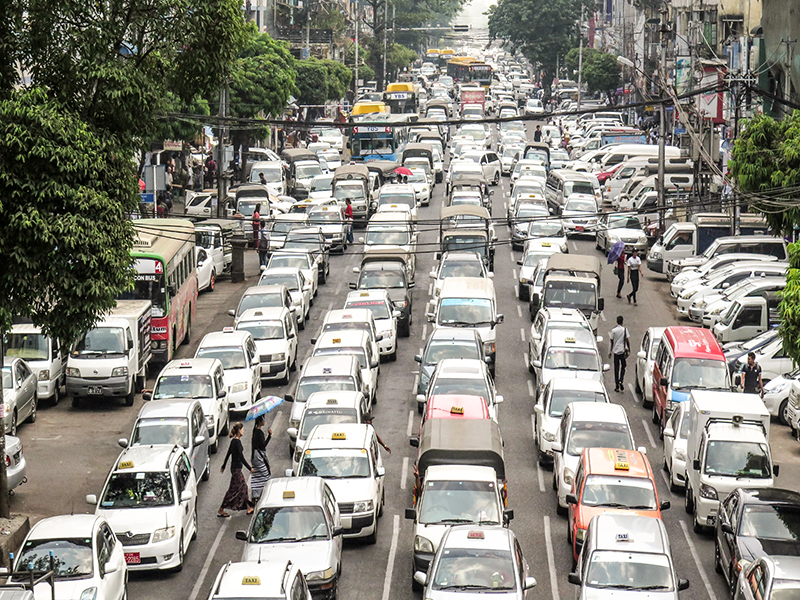
Myanmar’s National Defence and Security Council (NDSC) has announced temporary nationwide fuel conservation measures in response to global fuel supply disruptions. The move follows ongoing geopolitical tensions in the Middle East, which have affected key maritime routes used by oil tankers and raised concerns over domestic fuel availability.
Effective 7 March 2026, private vehicle use across Myanmar will be restricted under an even–odd license plate system:
Electric vehicles (EVs) and electric motorcycles are fully exempt and may operate daily, signalling a policy preference for alternative energy transport.
The following categories are not subject to the alternating system and may continue operating daily:
These exemptions reflect the government’s intention to maintain essential public services and economic activity.
Following the initial announcement, the NDSC issued a supplementary public notice on 4 March 2026 expanding the categories of vehicles permitted to operate daily. These additionally exempt vehicles are required to be able to show supporting documents or recommendations issued by the relevant departments confirming that the vehicle is being used solely for the permitted purposes. It is a strict requirement that these vehicles can only undertake essential trips and that vehicle operations are kept to a minimum. The additional exempt vehicles include:
It remains unclear what kind of supporting documents are required to demonstrate eligibility for falling under such an exempt category or what the process is to obtain a recommendation from a government department.
The notice also strictly prohibits purchasing fuel for hoarding or resale at inflated prices, underscoring efforts to prevent speculation and black-market activity during the supply disruption. The measures will remain in force until further notice.
The NDSC notice states that violations will be “taken action against under existing laws,” but does not specify the applicable legal provisions.
In practice, enforcement could potentially rely on:
However, as neither law is expressly referenced in the notice, the precise legal basis and penalties remain unclear.
Businesses with vehicle fleets, logistics operations, or fuel-intensive activities should promptly review their transport scheduling, fleet deployment, and fuel management practices to ensure compliance. Further guidance or implementing regulations may be issued, and close monitoring of official announcements is advisable.